Category: Husqvarna Robot Lawn Mower by Power N Play
Husqvarna Robot Lawn Mower by Power N Play: Revolutionizing Outdoor Maintenance
Introduction
Welcome to an in-depth exploration of the innovative world of robotics and lawn care, specifically focusing on the Husqvarna Robot Lawn Mower (RLM) by Power N Play. This cutting-edge technology has captured the attention of homeowners, landscaping professionals, and environmental enthusiasts worldwide, offering a futuristic approach to lawn maintenance. In this comprehensive article, we will navigate through various facets of this robotic lawn mower, its impact, and its role in shaping the future of outdoor space management. From understanding its technical prowess to analyzing global trends and economic implications, we aim to provide an authoritative guide for readers seeking insights into this revolutionary machine.
Understanding Husqvarna Robot Lawn Mower by Power N Play
Definition and Key Components
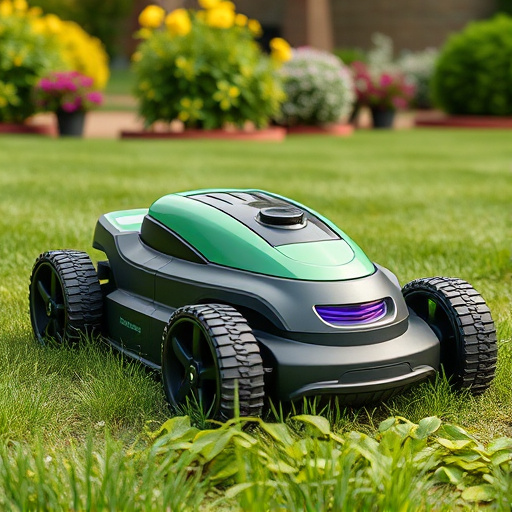
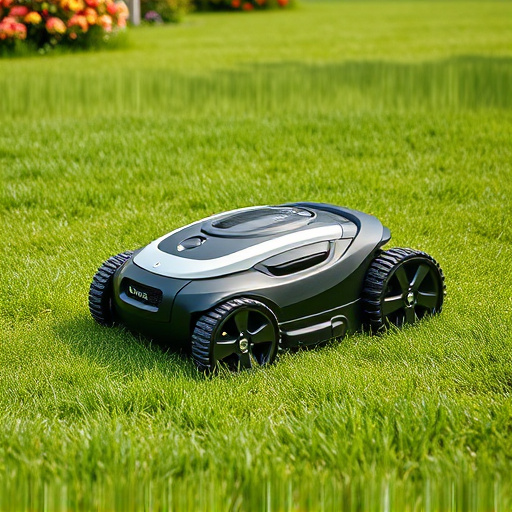
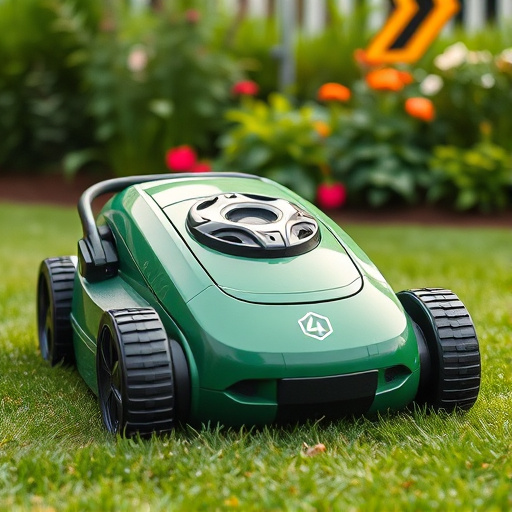
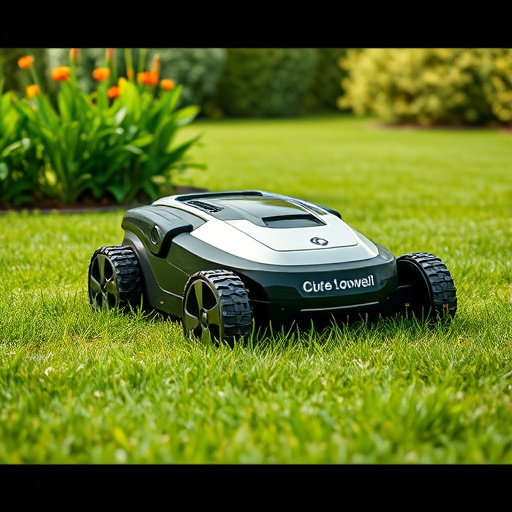
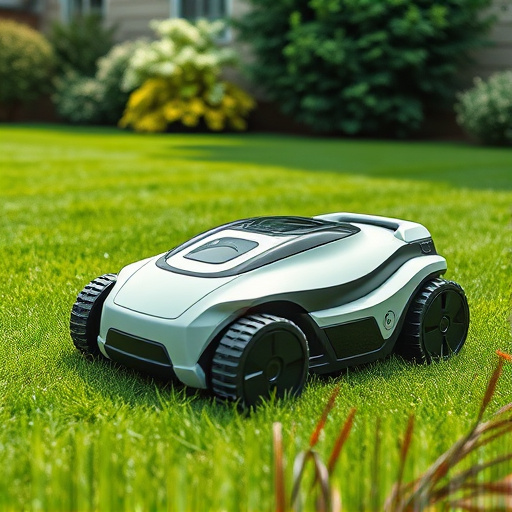
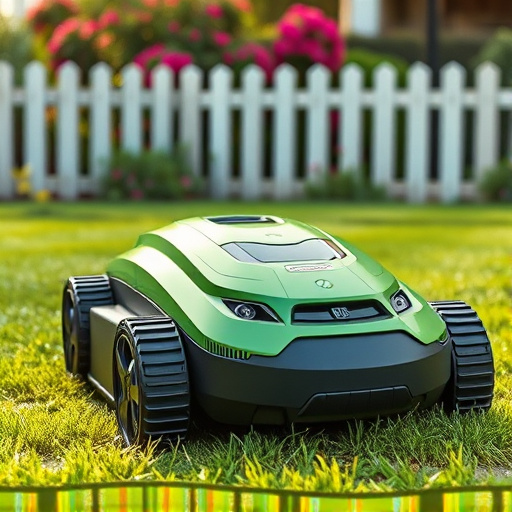
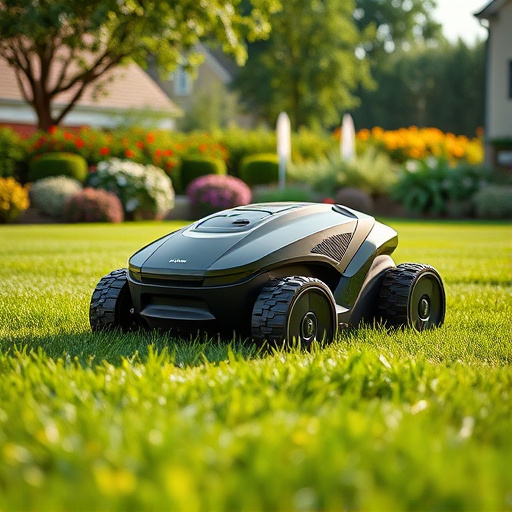
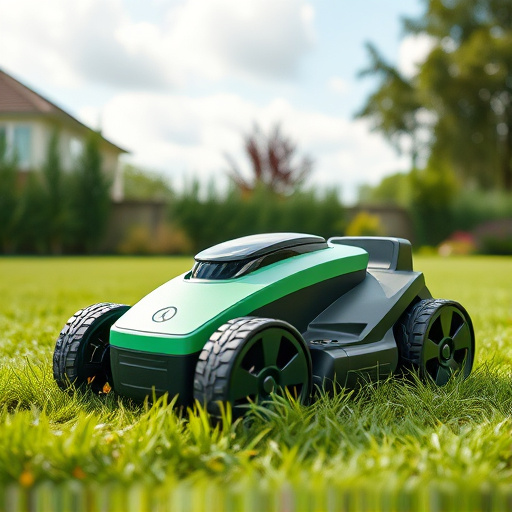
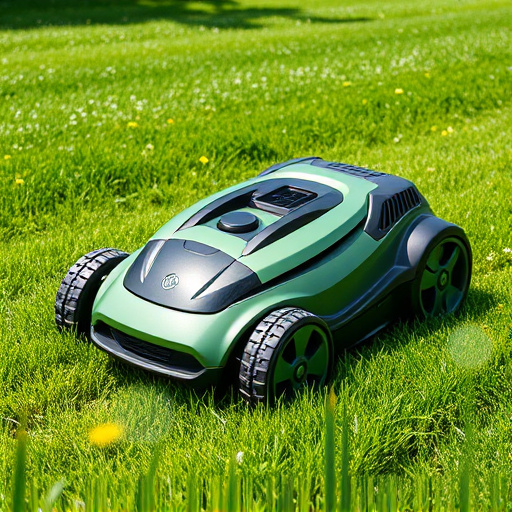
The Husqvarna Robot Lawn Mower, part of the Power N Play series, is an autonomous robotic device designed for efficient lawn mowing and outdoor grass maintenance. It utilizes advanced sensors, artificial intelligence (AI), and precise navigation systems to mow lawns autonomously, providing a convenient and eco-friendly solution for lawn care. The mower is equipped with several key components:
Autonomous Navigation System: This system enables the robot to navigate around obstacles, including trees, bushes, and garden furniture, using sensors like LiDAR (Light Detection and Ranging) and GPS technology.
Cutting Mechanism: Husqvarna’s RLM features a set of sharp blades that cut grass evenly, with adjustable cutting heights to accommodate different grass types and seasons.
Battery and Charging Station: Powering the mower is an advanced lithium-ion battery, which provides ample run time for efficient lawn coverage. Charging stations are strategically placed for hassle-free recharging.
AI-Powered Lawn Care: The AI algorithms optimize mowing patterns, ensuring every corner of the lawn receives equal attention. It learns and adapts to different lawn conditions, making it suitable for various terrain types.
Weather Resistance: Designed to withstand outdoor elements, this mower can operate in rain or shine, ensuring uninterrupted lawn care.
Historical Context and Significance
The concept of robotic lawn mowers dates back to the 1970s, but Husqvarna’s entry into the market with its Power N Play series marked a significant milestone. Husqvarna, a Swedish company renowned for its outdoor power equipment, introduced its first automated robot mower in 2006, catching the attention of early adopters and setting a new standard in lawn care technology. Since then, the global robot lawn mower market has experienced substantial growth, with advancements in AI, sensor technology, and battery efficiency driving innovation.
The Husqvarna Robot Lawn Mower’s significance lies in several aspects:
Efficient Lawn Care: It offers homeowners and professionals a hassle-free way to maintain perfect lawns without manual effort.
Environmental Benefits: By reducing the need for fossil fuels and minimizing noise pollution, these mowers contribute to a greener environment.
Time and Cost Savings: Autonomy and AI-driven efficiency translate to substantial time and cost savings compared to traditional lawn care methods.
Accessibility: It caters to a diverse range of users, from able-bodied individuals to those with physical limitations or busy lifestyles.
Global Impact and Trends
International Adoption and Market Growth
The Husqvarna Robot Lawn Mower’s impact extends far beyond Sweden’s borders, with significant adoption and market growth worldwide. Key regions leading the trend include North America, Western Europe, and East Asia, where the technology has gained substantial traction among homeowners and commercial landscaping businesses. According to a 2022 report by Market Research Future (MRFR), the global robot lawn mower market is projected to reach USD 1437.5 million by 2027, growing at a CAGR of 16.3% during the forecast period (2020-2027).
Regional Differences and Shaping Factors
Regional variations in adoption are influenced by several factors:
Climate: Warmer climates with longer growing seasons encourage lawn care, fostering higher demand for robot mowers.
Urbanization: Urban areas with limited outdoor space present unique challenges, driving the need for compact, efficient mowing solutions.
Cultural Preferences: In some regions, a well-maintained lawn is considered essential for curb appeal and neighborhood pride.
Government Incentives: Governments in certain countries offer incentives or subsidies to promote the adoption of eco-friendly technologies, including robot mowers.
Economic Considerations
Market Dynamics and Investment Patterns
The global robot lawn mower market exhibits dynamic characteristics, with several key players competing for market share. Husqvarna, as a pioneer in this space, has established itself as a trusted brand, attracting significant investments to drive research and development. The market is witnessing the entry of new startups offering innovative solutions, intensifying competition and fostering technological advancements.
Economic Impact and System Integration
The economic implications of Husqvarna’s RLM are multifaceted:
Job Creation: While automation may raise concerns about job displacement, it also creates new job opportunities in manufacturing, sales, and service sectors related to robot lawn mower technology.
Cost Savings for Consumers: Long-term cost savings for homeowners and businesses result from reduced labor expenses and the elimination of manual mowing, which can be particularly significant for large properties.
Integration with Smart Homes: Robot mowers are increasingly integrating with smart home systems, allowing for voice control and remote monitoring via mobile apps, further enhancing their appeal to tech-savvy consumers.
Tourism and Real Estate Impact: In areas where robot lawn mowers are prevalent, well-maintained lawns contribute to improved curb appeal, potentially boosting tourism and property values.
Technological Advancements
Recent Innovations and Their Impact
The Husqvarna Robot Lawn Mower continues to evolve, incorporating the latest technological advancements:
AI Refinement: Improved AI algorithms enable better lawn mapping, adaptive mowing patterns, and enhanced obstacle avoidance, ensuring optimal grass cutting.
Sensor Fusion: Combining data from various sensors like LiDAR, cameras, and ultrasonic sensors improves the mower’s perception of its surroundings, leading to more precise navigation and safer operations.
Smart Connectivity: Integration with popular smart home platforms allows users to control and monitor their robot mowers remotely, providing convenience and peace of mind.
Battery Technology: Advancements in lithium-ion battery technology have increased battery life, reduced charging times, and improved overall mower performance.
Future Potential and Emerging Trends
The future holds immense potential for Husqvarna’s RLM, with several emerging trends shaping its trajectory:
Autonomy and Navigation: Further enhancements in sensor technology and AI will enable robots to navigate even more complex landscapes, including multi-level gardens and intricate yard designs.
Environmental Sensors: Incorporating environmental sensors can allow mowers to adjust their operations based on weather conditions, grass health, and local pollution levels, promoting sustainable lawn care practices.
Collaboration with Drones: Robot lawn mowers may collaborate with drones for comprehensive lawn maintenance, including aerial inspections and seed dispersal.
Artificial Intelligence in Maintenance: AI-driven predictive maintenance can anticipate equipment failures, minimizing downtime and reducing maintenance costs.
Policy and Regulation
Governing Bodies and Legislative Frameworks
The development and deployment of Husqvarna Robot Lawn Mowers are subject to various policies and regulations worldwide, ensuring safety, environmental protection, and consumer rights:
Safety Standards: Organizations like UL (Underwriters Laboratories) and IEC (International Electrotechnical Commission) establish safety standards for electrical and mechanical devices, including robot lawn mowers.
Environmental Regulations: Local governments enforce rules regarding the disposal of batteries and other components to minimize environmental impact.
Consumer Protection Laws: These ensure fair trade practices, product liability, and consumer rights, covering aspects like product labeling, warranties, and after-sales service.
Data Privacy: With the integration of smart connectivity, data privacy regulations like GDPR (General Data Protection Regulation) in Europe play a crucial role in protecting user data.
Impact on Development and Adoption
Compliance with these policies and regulations is essential for Husqvarna and other manufacturers to ensure their products’ safety and market acceptance. While it may increase product development costs, adhering to standards builds consumer trust and encourages broader market adoption. As regulatory frameworks evolve, companies must stay agile to meet new requirements and adapt their products accordingly.
Challenges and Criticisms
Overcoming Technical Hiccups
Despite its many advantages, the Husqvarna Robot Lawn Mower faces certain challenges:
Initial Setup Complexity: Setting up a robot lawn mower for the first time can be intimidating for some users, requiring careful planning and configuration.
Obstacle Handling: While advanced sensors have improved navigation, complex yards with numerous obstacles still pose a challenge, requiring fine-tuning and adjustments.
Weather Conditions: Extreme weather events like heavy rain or snow can disrupt mowing schedules and affect battery life, although advancements in weather-resistant technology are addressing these issues.
Addressing Criticisms and Strategies for Improvement
To overcome these challenges, Husqvarna and other manufacturers employ several strategies:
Simplified Setup Processes: Streamlining setup procedures through intuitive user interfaces and guided tutorials enhances user experience.
Collaborative Problem-Solving: Engaging with customers to gather feedback and troubleshoot issues collectively helps identify recurring problems and improves product development.
Enhanced Weather Resistance: Investing in research and development to create more robust weather-resistant components ensures reliable operation year-round.
Case Studies: Real-World Applications
Example 1: Urban Condo Complex
In a bustling urban setting, a large condo complex implemented Husqvarna Robot Lawn Mowers to maintain the shared lawn areas. The mowers seamlessly navigated around trees, flower beds, and common walkways, ensuring a pristine lawn despite limited access for traditional mowing equipment. This application highlights the robot mower’s ability to thrive in congested spaces and enhance the community’s aesthetic appeal.
Example 2: Suburban Estate
A sprawling suburban estate with numerous outcrops and a diverse lawn landscape utilized several Husqvarna RLM units to maintain its expansive grounds. The mowers’ adaptive cutting heights and precise navigation ensured that every corner of the property received equal attention, resulting in a lush, well-maintained lawn. This case study demonstrates the robot mower’s versatility in handling varied terrain.
Example 3: Commercial Landscape
A commercial landscaping company adopted Husqvarna Robot Lawn Mowers for multiple client sites, including parks and corporate campuses. The mowers’ consistent performance and low maintenance requirements reduced operational costs and enabled the company to take on larger projects. This application showcases the cost-effectiveness and reliability of robot lawn mowers in a business setting.
Future Prospects
Growth Areas and Emerging Markets
The future outlook for Husqvarna’s Robot Lawn Mower by Power N Play is promising, with several growth areas and emerging trends:
Global Market Expansion: While North America and Europe currently lead the market, Asia-Pacific and Latin America present significant growth opportunities due to increasing urbanization and a growing middle class.
Residential and Commercial Integration: As technology advances, expect seamless integration of robot mowers into smart homes and commercial landscapes, with voice control and mobile app connectivity becoming standard features.
Vertical Farming and Urban Agriculture: Robot lawn mowers can contribute to the maintenance of vertical farms and urban agriculture initiatives, ensuring efficient grass management in limited spaces.
Strategic Considerations for Husqvarna
To capitalize on these prospects, Husqvarna can consider the following strategies:
Expand Product Range: Diversifying the product line to cater to various lawn sizes and types will attract a broader customer base.
Partnerships and Collaborations: Collaborating with smart home technology providers and landscape architects can enhance integration and market reach.
Sustainable Innovation: Emphasizing eco-friendly practices in manufacturing and battery disposal, Husqvarna can further differentiate its products in the sustainability-conscious market.
Global Partnerships: Forming strategic partnerships with local distributors and retailers in emerging markets will facilitate global expansion.
Conclusion: Revolutionizing Outdoor Space Management
In conclusion, the Husqvarna Robot Lawn Mower by Power N Play represents a significant leap forward in lawn care technology, offering efficient, eco-friendly, and convenient solutions for outdoor space management. Its global impact and market growth demonstrate its ability to transform how we maintain our lawns and landscapes. As technology continues to evolve, these robotic mowers will play an increasingly vital role in sustainable lawn care practices, catering to the needs of a diverse range of users worldwide.
FAQ Section
Q: How do Husqvarna Robot Lawn Mowers navigate my yard without hitting obstacles?
A: Husqvarna’s RLM uses a combination of sensors, including LiDAR and ultrasonic sensors, to detect and avoid obstacles. These sensors provide real-time data for precise navigation, ensuring the mower follows a safe path around trees, bushes, and other garden features.
Q: Can I control my robot lawn mower remotely?
A: Yes, many Husqvarna Robot Lawn Mowers are compatible with popular smart home platforms like Amazon Alexa and Google Home. You can control and monitor your mower remotely via a dedicated mobile app, allowing you to start, stop, or check the status of your lawn care from anywhere.
Q: How long does it take for a robot lawn mower to charge?
A: Charging times vary depending on the model and battery level. Husqvarna’s mowers typically have fast charging capabilities, with some models taking as little as 3-4 hours to recharge from a completely drained state.
Q: Are robot lawn mowers safe for pets and children?
A: Safety is a top priority for Husqvarna. These mowers are designed with safety features like low speed travel and obstacle detection to minimize the risk of accidents. However, as with any electrical device, supervision is recommended, especially in homes with young children or curious pets.
Q: How do I maintain my robot lawn mower?
A: Regular maintenance includes cleaning the mower deck and sensors, checking battery health, and replacing blades when necessary. Husqvarna provides user manuals and support to guide users through maintenance tasks. Keeping your mower well-maintained ensures optimal performance and longevity.
Tired of spending your weekends mowing? Introduce the Automower 310II—your secret weapon for achieving Power N Play in lawn care. This innovative machine effortlessly maintains up to 1000 square metres, saving you precious time and allowin…….
Tired of backbreaking lawn care? The Husqvarna Robot Lawn Mower 450X is your solution. This revolutionary automower offers significant cost savings by eliminating the need for additional lighting, as its state-of-the-art LED headlights enable ef…….
Tired of spending your weekends mowing? Reclaim your free time with the Automower 410 iQ's Power N Play technology. This smart mower eliminates back-breaking labor and costly expenses by seamlessly integrating virtual boundaries for precise…….
Upgrade your lawn care game with the Husqvarna Robot Lawn Mower Automower 550. Say goodbye to tedious, time-consuming mowing and embrace a lush, perfectly maintained yard all year round. This innovative robot mower automates up to half an acre (…….
Tired of spending your weekends battling with a rebellious lawn? Meet the Automower 415X, your key to reclaiming Power N Play in your outdoor space. This smart mower isn't just about cutting grass; it's about liberating you from yard w…….
Upgrade your lawn care business with the Husqvarna Robot Lawn Mower 520 EPOS—a game-changer that saves you time, effort, and money. This advanced robotic mower automates the mowing process, allowing professionals to focus on high-skill tas…….
Tired of spending your weekends mowing? The Husqvarna Robot Lawn Mower 430X is the game-changer you need. This powerful, yet user-friendly robot mower automatically maintains medium to large lawns, freeing up your time for what matters most. Wit…….
Tired of backbreaking lawn work? Say hello to the Power N Play Automower 305, your new best friend for a hassle-free, lush garden. This compact yet powerful machine transforms your small spaces into a vibrant tapestry of green, effortlessly navi…….
Tired of spending countless hours mowing your complex landscape? Meet the Automower 440 iQ, a game-changer that promises to transform your lawn care routine. With its revolutionary Power N Play technology, this smart mower adapts to every bump a…….
Transform your lawn care routine with the Husqvarna Robot Lawn Mower 415X, a revolutionary smart home solution. Say goodbye to backbreaking yard work and hello to significant cost savings—up to 70% compared to traditional services. This ad…….
Tired of spending hours on end tending to your large, complex lawn? Meet the Husqvarna Robot Lawn Mower 450XH EPOS—your ultimate outdoor game changer. This advanced technology robot efficiently navigates intricate landscapes, saving you pr…….
Elevate your lawn care business with the Husqvarna Robot Lawn Mower (Automower 550) – a revolutionary investment that saves you money while delivering exceptional results. This cutting-edge technology automates mowing, freeing up your staf…….
Tired of backbreaking lawn care? The Husqvarna Robot Lawn Mower 430X is your solution for a hassle-free, efficient, and beautifully maintained yard. This powerful automower navigates smoothly around obstacles, ensuring every corner is impeccably…….
Unleash the full potential of your outdoor space with the Automower 305—your new Power N Play companion. Say goodbye to tedious lawn mowing and weather-related worries, and hello to a lush, maintained garden all year round. This robust, we…….
Tired of the backbreaking work and tangled wires associated with lawn care? The Husqvarna Robot Lawn Mower, specifically the Automower 450XH EPOS, is your solution. This cutting-edge technology eliminates the hassle of wire installations, allowi…….
Upgrade your lawn care game with the Husqvarna Robot Lawn Mower 305. This durable, all-weather companion efficiently maintains your yard rain or snow, saving you time and money. Its advanced Power N Play technology handles moisture and debris, e…….
Tired of sacrificing your precious weekends for lawn care? Say hello to Power N Play with the Automower 410 iQ—your new secret weapon for a flawless yard. This innovative mower automates your lawn care routine, saving you significant money…….
Tired of backbreaking lawn work and struggling with traditional mowers on steep slopes? The Husqvarna Robot Lawn Mower 435X AWD is here to transform your yard care routine. This powerful robot mower effortlessly navigates challenging landscapes,…….
Tired of the backbreaking labor of mowing your lawn? The Husqvarna Robot Lawn Mower 430X is here to revolutionize your outdoor care routine. This advanced automower effortlessly handles medium to large lawns, ensuring a pristine finish without a…….
Tired of backbreaking lawn work and high fuel costs? Embrace the Power N Play revolution with the Automower 435X AWD – your new best friend for a flawless, hassle-free yard. This innovative mower automates the process, saving you time and…….